Finding Balance: Non-Hormonal Menopause Support for Your Journey
Menopause is not a single event but a transition that unfolds over years. For many women, the symptoms - hot flashes, vaginal dryness, disrupted sleep cycles, and mood shifts - arrive during perimenopause and linger well beyond the final period. Hormone therapy has long been the standard answer, but it is not the right fit for everyone. Some women have medical histories that rule it out, while others simply prefer a different path. That is where non-hormonal menopause support becomes a practical, evidence-based alternative.
Why Consider Non-Hormonal Support?
Hormone therapy works by replacing the estrogen that declines during menopause. For many, it relieves hot flashes and protects bone density. But it also carries risks - particularly for women with a history of breast cancer, blood clots, or certain liver conditions. Even for those who can take hormones, side effects like bloating, breast tenderness, or return of monthly bleeding can be unwelcome. Non-hormonal menopause support offers a way to manage symptoms without adding synthetic hormones to the mix.
Beyond medical concerns, some women simply want a more natural approach. They look for options that align with a clean lifestyle, free of artificial additives and common allergens. This is where vegan supplements and allergy-free products come into play. A growing number of brands now formulate daily supplements specifically for women going through menopause, using plant-based ingredients and avoiding gluten, soy, dairy, and other common triggers.
Key Nutrients for Symptom Relief
When you move away from hormone therapy, you need to target the underlying mechanisms of symptoms with specific nutrients and botanicals. Here are some of the most researched and widely used ingredients in non-hormonal menopause support:
- Black cohosh - A traditional botanical that has been studied for its ability to reduce hot flashes and night sweats. It appears to influence serotonin receptors rather than estrogen pathways.
- Red clover - Contains isoflavones, plant compounds that can mimic weak estrogen-like activity in the body. Some studies show modest reductions in hot flash frequency.
- Ashwagandha - An adaptogenic herb that helps regulate cortisol. Since stress can worsen hot flashes and disrupt sleep, ashwagandha supports the nervous system during the transition.
- Magnesium - Critical for sleep cycle regulation and muscle relaxation. Many women find that magnesium glycinate before bed improves sleep quality and reduces nighttime wakefulness.
- Vitamin D and Omega-3 - Both support bone health, mood, and heart function. Vitamin D levels often drop during menopause, and omega-3s from algae or fish oil can help with joint discomfort and cognitive fog.
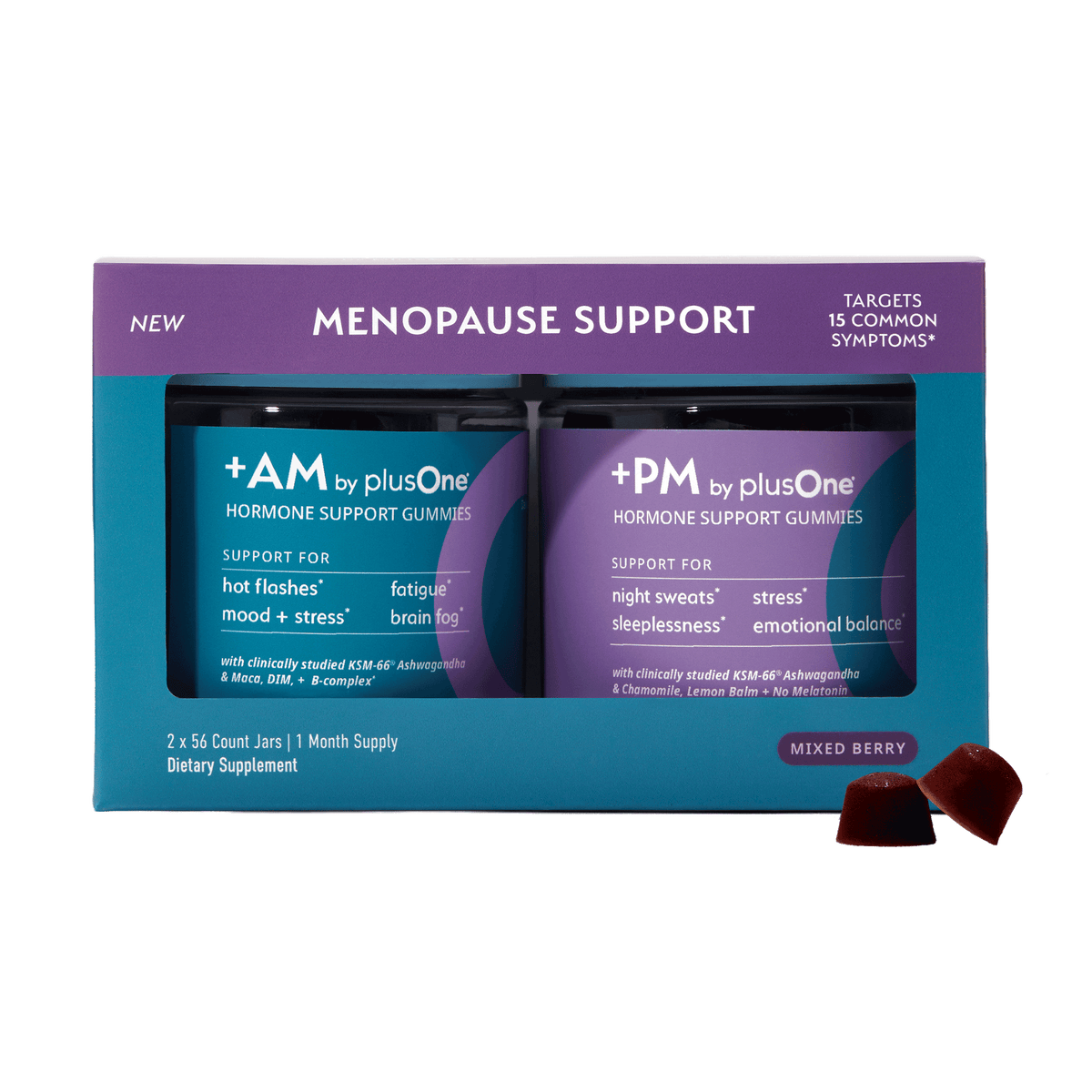
These ingredients are not magic bullets, but they work synergistically. A combination of black cohosh, red clover, magnesium, and vitamin D, for instance, addresses both vasomotor symptoms and sleep disruption. For women who also struggle with vaginal dryness, adding omega-3 and probiotics can support intimate health by maintaining moisture and balancing the vaginal microbiome.
Lifestyle Strategies That Complement Supplements
Supplements alone rarely solve everything. The most effective non-hormonal menopause support combines targeted nutrients with lifestyle changes. Here are three approaches that consistently show results:
Cognitive Behavioral Therapy for Insomnia (CBT-I). Sleep problems are among the most stubborn menopause complaints. CBT-I is a structured program that addresses the thoughts and behaviors that keep you awake. It teaches relaxation techniques, stimulus control, and sleep scheduling. Many women find it more effective than melatonin or over-the-counter sleep aids.
Acupuncture. While the research is still developing, several studies indicate that acupuncture can reduce hot flash frequency and severity. The mechanism may involve endorphin release or regulation of the hypothalamus. Sessions are usually weekly for six to eight weeks, and the effects can last for months.
Yoga and mindful movement. Yoga helps with flexibility, balance, and stress reduction. Certain poses, like twists and forward bends, are thought to stimulate the endocrine system gently. Regular practice also improves mood and reduces the intensity of hot flashes for some women.
These practices do not require a prescription and can be tailored to any fitness level. They work especially well when paired with dietary fiber from whole foods - vegetables, fruits, legumes, and whole grains. Fiber helps stabilize blood sugar, which in turn can reduce the severity of hot flashes and mood swings.
Navigating the Marketplace
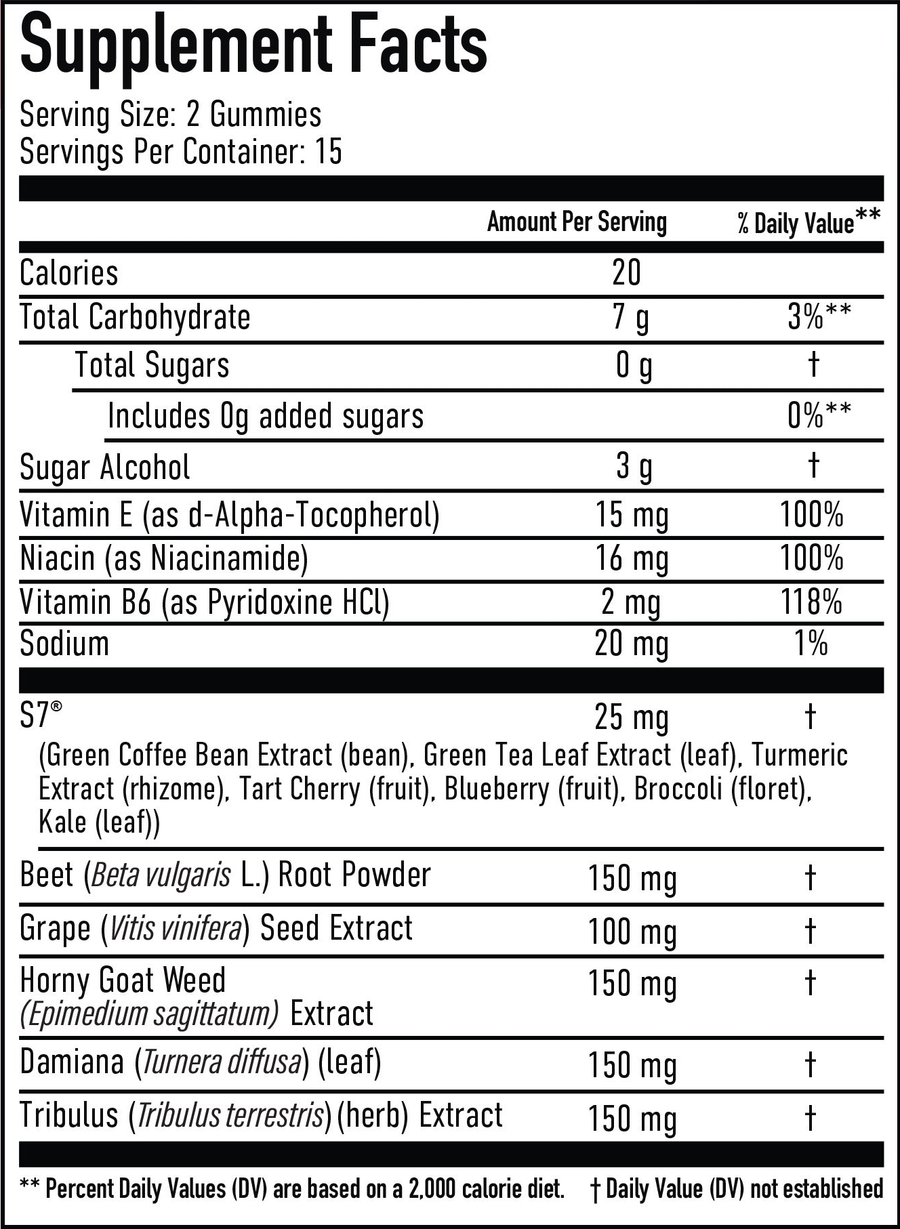
The supplement aisle can feel overwhelming. Countless products promise relief, but not all deliver. When looking for non-hormonal menopause support, focus on three things: transparency of ingredients, third-party testing, and formulation that matches your specific symptoms.
For example, if vaginal dryness is your primary concern, look for products that include probiotics and omega-3. If hot flashes keep you awake, a blend with black cohosh, red clover, and magnesium may be more helpful. Avoid products with proprietary blends that hide the amount of each ingredient. You want to know exactly how much of each active compound you are getting.
Also pay attention to the delivery form. Capsules, powders, and tinctures all have different absorption rates. Some women prefer gummies, but be cautious about added sugars. Vegan supplements are widely available now, and many brands are also allergy-free, so you do not have to compromise on dietary restrictions.
When to Seek Professional Guidance
Non-hormonal menopause support is not a one-size-fits-all solution. It works best when tailored to your unique biology and symptom profile. A naturopathic doctor, a nutritionist, or a menopause specialist can help you interpret your symptoms and choose the right combination of supplements and lifestyle changes.
If you have a history of hormone-sensitive conditions, always run any new supplement by your healthcare provider. Some botanicals, like black cohosh, can interact with medications or affect the liver. Similarly, ashwagandha is not recommended for people with thyroid disorders without medical supervision.
That said, for the majority of women, these ingredients are safe and well-tolerated. The key is to start slowly, keep a symptom diary, and adjust based on how you feel.
Building a Sustainable Routine
Consistency matters more than perfection. Taking your supplements at the same time each day, pairing them with a meal that includes healthy fats for absorption, and staying hydrated all make a difference. Combine that with regular movement, stress management, and good sleep hygiene, and you create a foundation that supports your body through the entire menopause transition.
Many women find that a combination of targeted nutrients, mindfulness practices, and gentle exercise provides steady, reliable relief without the need for hormones. Non-hormonal menopause support is not about replacing one drug with another. It is about giving your body the resources it needs to adapt and thrive during a natural life stage.
Take the time to research, listen to your body, and work with professionals when needed. The menopause journey is different for every woman, but the tools to manage it well are more accessible than ever.
Ends · MYNONHORMONALMENOPAUSEINSIGHT